
Who Is James Smith & Where Is He Now? 2026 Update & Profile
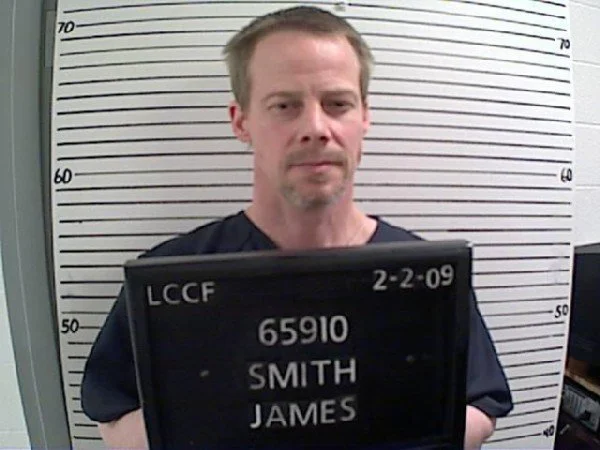
James Smith was a dentist in Clovis, New Mexico, whose life changed after investigators connected him to the December 2005 murder of Laura McNaughton, a 30-year-old single mother raising two daughters while working as a waitress and attending college.
Smith became the central suspect after McNaughton’s body was discovered in a rural roadside ditch northeast of Clovis. Investigators learned that she had complained to relatives about unwanted attention from a man she identified as Dr. Smith, a customer at the restaurant where she worked.
The case is examined in Dateline NBC’s “Hunted,” airing Friday, November 13, 2026, at 9/8c on NBC. Correspondent Blayne Alexander revisits the murder, the investigation into Smith and the forensic evidence that led to his prosecution.
When detectives questioned Smith, he denied knowing McNaughton. A search of his truck produced blood identified as belonging to the victim, along with hair and debris examined in connection with the location where her body was discovered.
Smith was indicted on charges including first-degree murder and kidnapping. Prosecutors considered pursuing the death penalty before the case ended in December 2006 with an Alford plea, under which Smith accepted criminal convictions without admitting that he committed the offences.
He was sentenced to life imprisonment plus 27 years, with the court stating that he would have to serve at least 57 years before becoming eligible for parole.
As of November 2026, Smith’s convictions and lengthy prison sentence remain the documented outcome of the case. His precise current correctional facility has not been confirmed.
- “Hunted”: Dateline Reports on Laura McNaughton Homicide November 13 2026
- Who Was Laura McNaughton & What Happened to Her? 2026 Update & Profile
Contents
- Who Is James Smith?
- James Smith’s Life and Dental Career in Clovis
- How James Smith Knew Laura McNaughton
- The Generous Tips and Reported Unwanted Attention
- Who Was Laura McNaughton?
- The Murder of Laura McNaughton in December 2005
- Hunters Discover McNaughton’s Body
- What Did the Autopsy Reveal?
- Why Police Began Investigating James Smith
- James Smith Denies Knowing the Victim
- The Search of James Smith’s Truck
- The Blood Evidence That Connected Smith to McNaughton
- The Hair and Debris Recovered From Smith’s Vehicle
- The Car Wash Visit Before Smith Spoke With Police
- Why Prosecutors Alleged Kidnapping
- James Smith Indicted for First-Degree Murder
- Why James Smith Faced the Death Penalty
- James Smith’s Alford Plea in December 2006
- What Sentence Did James Smith Receive?
- James Smith’s Appeals and Federal Court Proceedings
- Where Is James Smith Now in November 2026?
- What Happened to James Smith’s Dental Career?
- The Impact of Smith’s Crimes on Laura McNaughton’s Family
- Why the James Smith Case Attracted Attention
- The Questions Surrounding Laura McNaughton’s Final Hours
- James Smith’s Case in Dateline NBC’s Hunted
- What Happened to James Smith?
- More “Hunted”
- More Feature Articles
Who Is James Smith?
James Smith was a dentist practising in the Clovis area of New Mexico when Laura McNaughton was murdered in December 2005.
His professional work brought him into contact with members of the community, and he was known as a customer at the restaurant where McNaughton worked.
Smith’s interactions with McNaughton became important after her death because relatives reported that she had complained about unwanted attention from a man she called Dr. Smith.
Accounts of the relationship described him as visiting the restaurant and leaving unusually generous tips.
Before the murder investigation, Smith’s public identity was associated with his dental practice.
That changed when detectives began examining his connection to McNaughton and the circumstances surrounding her death.
The investigation led to a search of his truck and the discovery of physical evidence connecting the vehicle to the victim.
Smith became the defendant in a murder prosecution that ended with a life sentence.
James Smith’s Life and Dental Career in Clovis
Smith worked as a dentist in Clovis, a city in eastern New Mexico near the Texas border.
Dentists in communities such as Clovis provide services to patients through professional practices and develop relationships with residents through their work.
Smith’s occupation was significant to the case because McNaughton reportedly referred to him as Dr. Smith when discussing the attention she had received.
His professional title provided investigators with a means of identifying the man she had mentioned.
The available case information does not establish the full history of Smith’s dental education, his qualifications or the date he began practising.
It also does not provide a complete account of his personal life before the murder investigation.
What is documented is that he was working as a dentist in the area and had visited the restaurant where McNaughton was employed.
His professional standing became part of the public attention surrounding the case after he was accused of killing a young mother.
How James Smith Knew Laura McNaughton
Laura McNaughton worked as a waitress at a restaurant in Clovis while attending college and raising two daughters.
Smith was a customer at the establishment and had been observed leaving generous tips.
The interactions became important after McNaughton was murdered because relatives reported that she had expressed concerns about attention from a man she identified as Dr. Smith.
The accounts suggested that the dentist had encountered her before her death.
When investigators questioned Smith, he denied knowing McNaughton.
The denial conflicted with the information supplied by people who knew her.
Detectives examined whether Smith’s interactions with McNaughton could help explain the circumstances surrounding the murder.
The statements did not establish the precise nature of their relationship or the events leading to her death.
The subsequent discovery of blood belonging to McNaughton in Smith’s truck provided a physical connection that became central to the prosecution.
The Generous Tips and Reported Unwanted Attention
Accounts of Smith’s visits to the restaurant described him as leaving unusually generous tips.
The attention became significant because McNaughton had complained to relatives about a man she referred to as Dr. Smith.
Her statements suggested that the interactions had made her uncomfortable.
Investigators considered those concerns when examining the dentist’s possible connection to her death.
Generous tipping does not establish criminal conduct, and the available information does not document every interaction between Smith and McNaughton.
The significance of the accounts concerned the information she had shared before her murder.
Relatives’ statements provided detectives with a lead at a time when they were reconstructing her movements and relationships.
The accounts also became important because Smith denied knowing the victim.
The discrepancy was examined alongside the forensic evidence recovered during the investigation.
Who Was Laura McNaughton?
Laura McNaughton was a 30-year-old single mother living in Clovis, New Mexico, when she was murdered in December 2005.
She was raising two daughters while working as a waitress and attending college.
Her responsibilities included supporting her children, maintaining employment and pursuing an education.
Her studies represented an effort to establish greater opportunities for herself and her family.
McNaughton’s employment brought her into contact with customers, including Smith.
Before her death, she had expressed concerns about attention from a man she identified as Dr. Smith.
Those statements became important after investigators began examining the circumstances of her murder.
Her death left two daughters without their mother and interrupted the future she had been working to build.
The Murder of Laura McNaughton in December 2005
McNaughton was murdered in December 2005, shortly before hunters discovered her body in rural Curry County.
The investigation established that she had suffered fatal strangulation and blunt-force injuries.
The precise sequence of events during her final hours was not resolved through a completed jury trial.
Prosecutors alleged that Smith was responsible for her murder and kidnapping.
The physical evidence recovered from his truck became important to reconstructing the crime.
Investigators found blood identified as belonging to McNaughton inside the vehicle.
They also recovered hair and debris examined in connection with the location where her body was discovered.
The findings supported the prosecution’s theory that Smith’s truck had been involved in the events surrounding her death.
The case ended through an Alford plea rather than a contested trial.
As a result, some details concerning McNaughton’s final movements were not established through a jury’s findings.
Hunters Discover McNaughton’s Body
On December 10, 2005, hunters discovered McNaughton’s body in a roadside ditch in rural Curry County, northeast of Clovis.
The location was outside the city’s main residential and commercial areas.
The discovery prompted a homicide investigation involving law enforcement and forensic specialists.
Investigators examined the scene and collected evidence that might help establish how McNaughton had been killed.
The rural setting raised questions about whether she had died there or been transported after the attack.
Detectives considered the possibility that a vehicle had been used to move her body.
The surrounding environment became important because investigators could compare material from the scene with evidence recovered from a suspect’s vehicle.
Those comparisons would become part of the prosecution against Smith.
The discovery also confirmed that McNaughton had been the victim of a violent crime.
What Did the Autopsy Reveal?
An autopsy determined that Laura McNaughton died from strangulation.
The medical examination identified blunt-force injuries to her head and additional injuries associated with the attack.
The findings established that her death was a homicide.
They also demonstrated that she had suffered significant physical violence.
Strangulation became an important part of the forensic evidence because it established the fatal mechanism identified by the medical examiner.
The blunt-force injuries provided further information about the assault.
Investigators considered the medical findings alongside evidence collected from the location where her body was discovered.
They also examined whether the injuries were consistent with the prosecution’s reconstruction of the crime.
The autopsy findings supported the homicide charges against Smith.
Why Police Began Investigating James Smith
After McNaughton’s body was discovered, investigators began examining her movements, relationships and interactions before the killing.
Statements from relatives concerning unwanted attention from Dr. Smith became an important lead.
Detectives sought to determine whether Smith knew McNaughton and whether he had encountered her at the restaurant where she worked.
The information provided a possible connection between the victim and the dentist.
Investigators questioned Smith about his relationship with McNaughton.
He denied knowing her.
The denial raised questions because police had received information suggesting that he had visited her workplace and interacted with her.
Detectives continued examining his movements and the possible involvement of his truck.
The investigation moved towards physical evidence that could establish whether Smith had been in contact with McNaughton or the location where her body was discovered.
James Smith Denies Knowing the Victim
When investigators questioned Smith, he denied knowing Laura McNaughton.
The statement conflicted with accounts describing his visits to the restaurant where she worked.
McNaughton’s relatives had reported that she complained about attention from a man she identified as Dr. Smith.
Investigators considered those statements while evaluating his account.
A denial of acquaintance did not establish involvement in the murder.
But the discrepancy gave detectives reason to examine his possible connection to McNaughton.
Police continued gathering evidence rather than relying on witness statements alone.
The investigation focused on whether physical evidence could connect Smith to the victim.
Detectives examined his truck as part of that process.
The search produced evidence that became central to the criminal prosecution.
The Search of James Smith’s Truck
Investigators searched Smith’s truck during the inquiry into McNaughton’s murder.
The vehicle became important because detectives were examining whether McNaughton had been transported before her body was left in rural Curry County.
Police recovered biological material and other evidence from the truck.
Among the findings was blood that forensic testing identified as belonging to McNaughton.
The discovery provided a physical connection between the victim and Smith’s vehicle.
Investigators also recovered hair and debris that were examined in relation to evidence from the location where her body had been found.
The evidence became significant because Smith had denied knowing McNaughton.
The prosecution used the findings to support its case that the dentist was responsible for her death.
The vehicle search was one of the decisive developments in the investigation.
The Blood Evidence That Connected Smith to McNaughton
Blood recovered from Smith’s truck became a central part of the prosecution.
Forensic testing identified the blood as belonging to Laura McNaughton.
The finding was significant because it placed biological evidence associated with the victim inside the dentist’s vehicle.
Investigators examined the discovery in light of Smith’s statement that he did not know McNaughton.
The blood evidence supported the prosecution’s theory that Smith’s vehicle had been involved in the events surrounding the murder.
It also raised questions about how McNaughton’s blood had entered the truck.
The prosecution considered the evidence alongside the autopsy findings and material recovered from the rural location where her body was discovered.
The combined findings helped investigators construct a case against Smith.
The blood evidence was not dependent on witness recollections about the interactions between Smith and McNaughton.
It provided a forensic connection that became central to the murder charges.
The Hair and Debris Recovered From Smith’s Vehicle
Investigators recovered hair and debris from Smith’s truck during the search.
The material was examined for similarities to evidence associated with McNaughton and the location where her body had been discovered.
The findings became part of the prosecution’s effort to connect the vehicle to the crime.
Detectives considered whether the material supported the possibility that McNaughton or her body had been inside the truck.
The rural location where hunters discovered McNaughton contained environmental material that investigators could compare with debris recovered from the vehicle.
Those comparisons were examined alongside the blood evidence.
The significance of the material depended on the forensic findings and its relationship to the broader investigation.
The evidence contributed to the prosecution’s account of Smith’s involvement.
It also provided investigators with information beyond the statements supplied by witnesses and the suspect.
The Car Wash Visit Before Smith Spoke With Police
Investigators learned that Smith had stopped at a car wash while travelling to speak with police.
The timing of the visit attracted attention because detectives were examining the condition of his vehicle and its possible involvement in McNaughton’s death.
The car wash became part of the investigation into Smith’s movements after the killing.
Authorities considered whether the visit had any significance to the physical evidence recovered from the truck.
The prosecution examined the detail alongside the blood, hair and debris found in the vehicle.
The visit did not, by itself, establish that Smith had committed murder.
Its importance concerned the sequence of events and whether his conduct was consistent with the prosecution’s account.
The evidence recovered from the truck remained significant despite the reported stop at the car wash.
Investigators used the combined information to support the charges against Smith.
Why Prosecutors Alleged Kidnapping
The discovery of McNaughton’s body in a rural roadside ditch raised questions about how she reached the location.
Investigators considered whether she had been attacked elsewhere and transported after the assault.
The evidence recovered from Smith’s truck became important to that theory.
Blood identified as belonging to McNaughton provided a physical connection between the victim and the vehicle.
Hair and debris recovered during the search were examined for their relationship to the crime scene.
The prosecution used the findings to support the allegation that Smith had transported McNaughton.
The kidnapping charge reflected the prosecution’s contention that her movements had been controlled as part of the crime.
The precise sequence of events was not established through a contested jury verdict because the case ended with an Alford plea.
Nevertheless, the physical evidence formed the foundation of the criminal prosecution.
James Smith Indicted for First-Degree Murder
Smith was indicted in December 2005 on charges arising from McNaughton’s death.
The charges included first-degree murder and kidnapping, along with related offences.
The prosecution alleged that Smith was responsible for the fatal attack and the circumstances surrounding the disposal of her body.
The indictment followed the discovery of physical evidence in his truck and the examination of his connection to McNaughton.
The case attracted attention because Smith was a dentist known in the Clovis community.
The allegations involved the killing of a young mother whose body had been found in a rural ditch.
Prosecutors examined the possibility of seeking the death penalty.
Smith faced the prospect of a capital murder prosecution if the case proceeded to trial under those terms.
The legal proceedings would end through a negotiated plea rather than a jury verdict following a contested murder trial.
Why James Smith Faced the Death Penalty
The first-degree murder charge exposed Smith to the possibility of capital punishment under New Mexico law at the time.
Prosecutors considered seeking the death penalty as they prepared the case.
The allegations involved strangulation, blunt-force injuries and the transportation of McNaughton before her body was discovered.
The prosecution also had forensic evidence connecting the victim to Smith’s truck.
Those circumstances formed part of the criminal case against him.
A capital trial would have required the prosecution to establish the charges and satisfy the legal requirements for a death sentence.
The possibility of capital punishment became important during plea negotiations.
Smith entered an Alford plea in December 2006.
The agreement resulted in a life sentence and additional prison terms rather than a death sentence.
James Smith’s Alford Plea in December 2006
In December 2006, Smith entered an Alford plea to charges arising from McNaughton’s murder.
The agreement allowed him to maintain his claim of innocence while accepting criminal conviction and punishment.
An Alford plea permits a defendant to accept the legal consequences of a guilty plea without admitting the underlying criminal conduct.
The court must determine that the plea is voluntary and supported by an adequate factual basis.
Smith’s plea resolved the prosecution approximately one year after McNaughton’s body was discovered.
It also avoided the possibility of a capital trial.
The criminal proceedings concluded without a jury verdict on the disputed facts.
Smith’s plea did not amount to an exoneration or a finding that the prosecution lacked evidence.
It resulted in convictions and a substantial prison sentence.
The legal outcome established his criminal liability under the plea agreement, even though he did not admit committing the offences.
What Sentence Did James Smith Receive?
Smith was sentenced to life imprisonment plus 27 years for murder and related offences.
The sentence followed his December 2006 Alford plea.
The court explained that he would have to serve at least 57 years before becoming eligible for parole.
The combined sentence reflected the seriousness of the charges and the punishment imposed under the plea agreement.
Smith avoided a potential death sentence but received a prison term that could keep him incarcerated for the remainder of his life.
Parole eligibility does not guarantee release.
A prisoner who reaches the minimum period required for consideration may remain incarcerated if parole is denied or other legal restrictions apply.
The sentence represented the outcome of the original criminal prosecution.
Smith’s subsequent legal challenges did not erase the convictions arising from the plea.
James Smith’s Appeals and Federal Court Proceedings
After his conviction and sentencing, Smith pursued legal challenges concerning the criminal proceedings.
The case became the subject of federal court review, which documented aspects of the original investigation and the evidence recovered from his truck.
The proceedings examined legal arguments arising from the plea and conviction.
The federal court records also described the statements McNaughton had made about unwanted attention from Dr. Smith.
They addressed Smith’s denial of knowing the victim and the physical evidence recovered during the investigation.
The blood identified as belonging to McNaughton remained an important part of the case history.
Smith’s legal challenges did not result in the reversal of his conviction or release from prison.
His sentence of life imprisonment plus 27 years remained the governing criminal judgment.
The proceedings provided further documentation of the evidence and legal issues surrounding the murder.
Where Is James Smith Now in November 2026?
James Smith’s documented criminal status is that of a convicted murderer sentenced to life imprisonment plus 27 years.
He entered an Alford plea in December 2006 and received a sentence requiring at least 57 years of imprisonment before parole eligibility.
As of November 2026, there is no confirmed information establishing that his convictions have been overturned or that he has been released.
His precise current correctional facility has not been established through the available case information.
The length of his sentence means that he would not have completed the minimum 57-year period by November 2026.
His eligibility for parole would depend on the applicable sentencing rules and correctional records.
Smith’s Alford plea allowed him to maintain his claim of innocence while accepting criminal conviction.
The legal outcome remains a life sentence with an additional 27 years of imprisonment.
What Happened to James Smith’s Dental Career?
Smith was practising as a dentist in the Clovis area when investigators connected him to McNaughton’s murder.
His professional work formed part of his public identity before the criminal prosecution.
The murder charges and subsequent conviction resulted in a lengthy prison sentence.
The sentence prevented him from continuing a conventional dental practice outside prison.
The available case information does not establish the precise administrative history of his dental licence or any disciplinary proceedings involving the New Mexico dental authorities.
It would be inaccurate to claim that a particular licensing action occurred without confirmation.
What is established is that Smith was convicted of murder and related offences and sentenced to life imprisonment plus 27 years.
His professional career became overshadowed by the criminal case.
The Impact of Smith’s Crimes on Laura McNaughton’s Family
McNaughton’s murder left two daughters without their mother.
She had been raising them while working and attending college, with the aim of building a future for her family.
Her death ended those plans and left her children facing the consequences of a violent crime.
The circumstances of the killing also affected relatives who had heard her concerns about unwanted attention before her death.
Those statements became important to investigators as they examined Smith’s possible connection to McNaughton.
The family faced the discovery of her body, the homicide investigation and the criminal proceedings against the dentist.
The Alford plea brought a legal resolution without a full murder trial.
Because Smith did not admit committing the crime, the agreement did not provide a direct confession.
The sentence nevertheless imposed a substantial punishment and ended the original prosecution.
Why the James Smith Case Attracted Attention
The killing attracted attention in Clovis because McNaughton was a young mother and Smith was a local dentist.
The case involved two people connected through a restaurant where McNaughton worked.
The allegations concerning unwanted attention raised questions about the interactions between the victim and the man accused of killing her.
The discovery of her body in a rural roadside ditch added to concern about the circumstances of the crime.
Investigators faced the task of reconstructing events that occurred before the body was discovered.
Statements from relatives helped direct attention towards Smith.
The search of his truck produced evidence that became central to the prosecution.
The case demonstrated how information about a victim’s concerns, combined with forensic evidence, can shape a homicide investigation.
The legal proceedings concluded with Smith’s Alford plea and life sentence.
The Questions Surrounding Laura McNaughton’s Final Hours
The criminal proceedings established Smith’s convictions and sentence but did not produce a full public trial account of every event preceding McNaughton’s death.
The precise circumstances of her final movements remain less clear than the forensic evidence connecting her to Smith’s vehicle.
Investigators established that she had suffered fatal strangulation and blunt-force injuries.
They also recovered evidence linking her to the dentist’s truck.
The prosecution alleged that Smith was responsible for the murder and kidnapping.
Smith accepted the convictions through an Alford plea while maintaining his claim of innocence.
Because the case did not proceed to a completed jury trial, some details of the prosecution’s reconstruction were not resolved through a verdict on contested evidence.
The documented record establishes the criminal outcome: Smith was convicted under the plea agreement and sentenced to life imprisonment plus 27 years.
The case remains significant because McNaughton’s reported concerns about unwanted attention preceded a murder investigation in which physical evidence played a central role.
James Smith’s Case in Dateline NBC’s Hunted
Dateline NBC examines the murder of Laura McNaughton in “Hunted,” reported by Blayne Alexander.
The episode revisits the life of the 30-year-old mother, her work as a waitress and her efforts to complete a college education.
It examines the circumstances surrounding the discovery of her body in rural Curry County on December 10, 2005.
The programme also explores the investigation that led detectives towards Smith.
The case involved statements concerning unwanted attention, Smith’s denial of knowing McNaughton and forensic evidence recovered from his truck.
The prosecution ended with an Alford plea in December 2006.
Smith received life imprisonment plus 27 years, with the court stating that he would have to serve at least 57 years before parole eligibility.
The episode revisits the investigation, the legal outcome and the consequences of McNaughton’s death for her family.
What Happened to James Smith?
James Smith was a dentist in Clovis, New Mexico, when Laura McNaughton was murdered in December 2005.
McNaughton had complained to relatives about unwanted attention from a man she identified as Dr. Smith, a customer at the restaurant where she worked.
On December 10, 2005, hunters discovered her body in a rural roadside ditch northeast of Clovis.
An autopsy determined that she had been strangled and had suffered blunt-force injuries.
Investigators questioned Smith, who denied knowing McNaughton.
A search of his truck revealed blood identified as belonging to the victim, along with hair and debris examined in connection with the crime.
Smith was indicted on charges including first-degree murder and kidnapping.
In December 2006, he entered an Alford plea, accepting criminal conviction without admitting that he committed the offences.
He received a sentence of life imprisonment plus 27 years, with a minimum of 57 years to be served before parole eligibility.
As of November 2026, Smith’s convictions and sentence remain the documented outcome. His exact prison location has not been confirmed.
His case is revisited in Dateline NBC’s “Hunted,” airing Friday, November 13, 2026, at 9/8c on NBC, with correspondent Blayne Alexander reporting.
More “Hunted”
- “Hunted”: Dateline Reports on Laura McNaughton Homicide November 13 2026
- Who Was Laura McNaughton & What Happened to Her? 2026 Update & Profile
- Who Is James Smith & Where Is He Now? 2026 Update & Profile