
Who Was David Fouts & What Happened to Him? 2026 Update & Profile
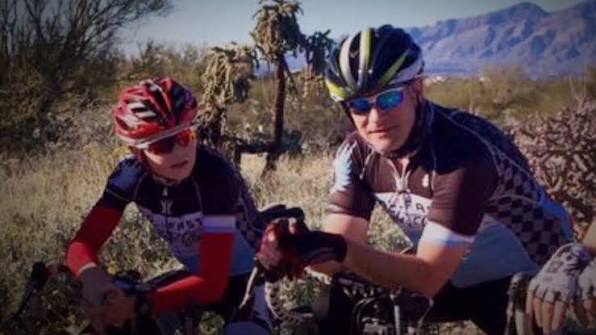
David Michael Fouts was remembered by friends and family as an active, health-conscious man who loved cycling and spending time outdoors. His unexpected death in April 2020 shocked those who knew him and launched one of Indiana’s most unusual homicide investigations, a case that ultimately centered on poisonous mushrooms, forensic science and an alleged murder conspiracy.
Featured in Dateline NBC‘s “The Mushroom Mystery,” David’s story traces the investigation from the discovery of his body in a roadside ditch to the courtroom proceedings that resulted in his wife’s conviction for conspiracy to commit murder. His death became the focus of a case that investigators described as unlike any they had previously encountered.
- “The Mushroom Mystery”: Dateline NBC Reports on David Fouts Homicide July 24 2026
- Who Is Katrina Fouts & Where Is She Now? 2026 Update & Profile
- Who Was Terry Hopkins & Where Is He Now? 2026 Update & Profile
Contents
- David Fouts Was Known as an Active Outdoorsman
- His Disappearance Ended With a Grim Discovery
- An Extraordinary Autopsy Changed the Investigation
- Investigators Alleged David Was the Victim of a Planned Killing
- The Case Ended With a Conviction
- David Fouts’ Death Left a Lasting Legacy
- More “The Mushroom Mystery”
- More Feature Articles
David Fouts Was Known as an Active Outdoorsman
David Fouts was 50 years old and lived in Pendleton, Indiana, a community northeast of Indianapolis. Friends described him as a dedicated cyclist and fitness enthusiast who enjoyed spending time outdoors and maintaining an active lifestyle.
Those who knew David said exercise played a significant role in his daily routine. Cycling was one of his passions, and he was known for taking long rides throughout central Indiana. Friends Matt Tanner and Chris Tanner, who appear in Dateline NBC, remembered David as someone who enjoyed life and valued the friendships he built over the years.
David’s healthy lifestyle made his sudden death even more difficult to understand. There were no immediate indications that he had been suffering from a serious illness, making investigators question how someone in otherwise good physical condition could die so unexpectedly.
As detectives began examining his background, they found little to suggest that David’s death resulted from natural causes, leading investigators to search for another explanation.
His Disappearance Ended With a Grim Discovery
On April 24, 2020, a woman walking along Overdorf Road near Noblesville discovered David’s body lying in a roadside ditch. The discovery immediately prompted a homicide investigation after authorities observed injuries and other suspicious circumstances at the scene.
Investigators found David with extensive bruising, while his pockets had been turned inside out. His wallet, cell phone and identification were missing, suggesting someone may have attempted to conceal his identity or stage the scene after his death.
Detectives also documented residue consistent with duct tape around his wrists and ankles, along with cuts on his hands that indicated he had struggled before he died. Those findings quickly convinced investigators that David had likely been the victim of a violent assault.
Although the physical evidence pointed toward foul play, investigators still faced one major question: what had actually caused David’s death?
An Extraordinary Autopsy Changed the Investigation
The answer came during David’s autopsy, which produced one of the most unusual forensic discoveries investigators had ever encountered.
Routine toxicology testing failed to identify a conventional poison or overdose. As forensic pathologists continued their examination, they analyzed David’s stomach contents and discovered several pieces of poisonous mushrooms identified as Lyophyllum connatum, commonly known as the white domecap.
Experts explained that the mushrooms contain muscarine, a toxin capable of causing excessive salivation, severe sweating, slowed heart rate, breathing problems and eventual respiratory failure. Because muscarine breaks down rapidly in the body, it no longer appeared in David’s bloodstream by the time toxicology testing was performed.
The finding transformed the investigation. Detectives now had evidence that David had consumed a rare poisonous mushroom shortly before his death, but they still needed to determine whether the poisoning had been accidental or intentional.
Investigators Alleged David Was the Victim of a Planned Killing
As detectives examined David’s personal relationships, the investigation increasingly focused on his wife, Katrina Fouts.
Searches of electronic devices and property uncovered evidence prosecutors later argued pointed toward planning rather than accident. Digital forensic investigators recovered deleted information about poisonous mushrooms from Katrina’s phone, while additional searches located items investigators believed could have been used during the crime.
DNA evidence eventually linked former Richmond police officer Terry Hopkins to the investigation. Hopkins had been working as a caretaker for Katrina’s father and was later identified by prosecutors as the alleged accomplice in the killing.
According to investigators, David was deliberately fed poisonous mushrooms before a physical confrontation occurred inside the home. Prosecutors alleged that Hopkins fatally attacked David after the poison had begun affecting him and that the pair later transported his body to Hamilton County, where it was abandoned in the ditch.
The Case Ended With a Conviction
Terry Hopkins never faced trial. Before criminal proceedings could begin, he died from natural causes related to declining health. Prior to his death, investigators said Hopkins confessed his involvement and described the alleged sequence of events surrounding David’s killing.
Katrina Fouts was tried before a Hamilton County jury in 2022. Prosecutors argued that she had planned the killing as part of a conspiracy, while the defense disputed the state’s interpretation of the evidence.
The jury found Katrina not guilty of murder, but guilty of conspiracy to commit murder and failure to report human remains. She was sentenced to an aggregate term of 34 years in prison.
She later appealed her convictions, challenging several aspects of the trial, but the Indiana Court of Appeals upheld both the convictions and her sentence.
David Fouts’ Death Left a Lasting Legacy
David Fouts’ case remains one of the most distinctive homicide investigations in Indiana history because of the rare method prosecutors said was used to carry out the crime.
The discovery of poisonous mushrooms during his autopsy required investigators to rely on forensic botany and mycology alongside traditional detective work. Without the detailed examination of his stomach contents and the expertise of mushroom specialists, the true nature of his death may never have been uncovered.
More than six years after David’s death, his case continues to receive national attention through programs such as Dateline NBC because it demonstrates how scientific evidence, digital forensics and persistent investigative work combined to solve a homicide that initially appeared almost impossible to explain.
While the criminal proceedings have concluded, David is remembered by friends as an active, kind and outgoing man whose life ended in a crime that few investigators had ever imagined they would encounter.
More “The Mushroom Mystery”
- “The Mushroom Mystery”: Dateline NBC Reports on David Fouts Homicide July 24 2026
- Who Was David Fouts & What Happened to Him? 2026 Update & Profile
- Who Is Katrina Fouts & Where Is She Now? 2026 Update & Profile
- Who Was Terry Hopkins & Where Is He Now? 2026 Update & Profile
More Feature Articles
- “First Comes Love, Then Comes Murder”: 20/20 Reports on Leslie Preer Homicide July 24 2026
- “The Mushroom Mystery”: Dateline NBC Reports on David Fouts Homicide July 24 2026
- “A Promise to Gloria”: Dateline NBC Reports on Gloria Pointer Homicide July 25 2026
- “Justine’s Voice”: 48 Hours Reports on Justine Vanderschoot Homicide on July 25 2026
- “The Boy Across the Street”: 48 Hours Investigates the Catina Salarno Murder Homicide on July 25 2026