


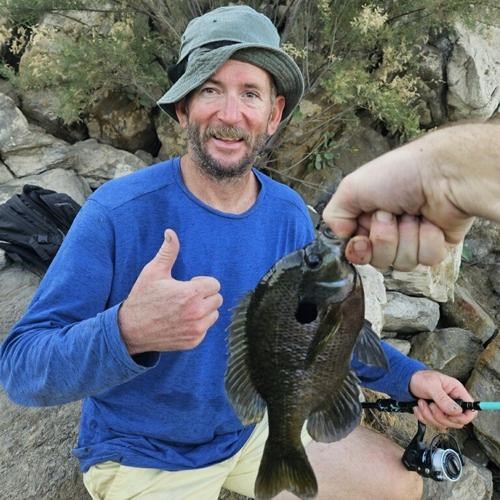
Matthew “Matt” Clark Restelli was a 42-year-old father, outdoorsman and family man whose attempt to repair a troubled marriage ended with his murder inside his mother-in-law’s Utah home.
His death is at the centre of Dateline NBC’s two-hour Season 35 premiere, “The Family Plot,” airing Friday, September 25, 2026. Correspondent Josh Mankiewicz examines how Matt travelled from California to American Fork, Utah, believing he might bring his wife and children home, only to walk into what prosecutors said was a prepared ambush.
The years of investigation and court proceedings that followed would expose a plan involving Matt’s wife, Kathryn “Kate” Restelli, her mother, Tracey Grist, and Kathryn’s brother, Kevin Ellis. Ellis shot Matt seven times within moments of his arrival. Kathryn later admitted helping lure her husband to the house. Grist was convicted of helping organise the plot.
Behind those court proceedings was a man whose family said loved his children, valued loyalty and spent much of his free time outdoors.
- “The Family Plot”: Dateline NBC Reports on Matt Restelli Homicide September 26 2026
- Who Is Kathryn Restelli & Where Is She Now? 2026 Update & Profile
- Who Is Tracey Grist & Where Is She Now? 2026 Update & Profile
- Who Is Kevin Ellis & Where Is She Now? 2026 Update & Profile
Contents
- Who Was Matthew “Matt” Restelli?
- A Father Remembered for His Loyalty
- Matt and Kathryn Restelli’s Marriage
- The AirTag Hidden in Matt’s Truck
- How Matt Was Persuaded to Drive to Utah
- The Instructions to Walk Through the Door
- Matt Was Shot Seven Times
- The Knife in Matt’s Hand
- What Kathryn Heard After Her Husband Was Shot
- What Police Found When They Arrived
- Matt’s Mother Learned of His Death the Next Morning
- The Investigation Changed the Story of Matt’s Death
- Kathryn Restelli Admitted Helping Lure Matt to His Death
- The Jury Rejected Kevin Ellis’s Self-Defence Claim
- A Jail Call Revealed Ellis Had Warned Against the Plan
- Tracey Grist Was Convicted of Helping Plan Matt’s Murder
- The Children Lost Their Father and Much of Their Family
- How Matt’s Family Wants Him Remembered
- Dateline’s “The Family Plot” Returns to Matt Restelli’s Story
- More “The Family Plot”
- More Feature Articles
Who Was Matthew “Matt” Restelli?
Matthew Clark Restelli was born on May 4, 1982, in Houston, Texas. He was the son of Diane Restelli and Thomas Paul Restelli Jr. and grew up with his brothers Paul and Mark. His father died before him. Matt was 42 when he was killed on July 12, 2024.
His obituary described a man with a strong connection to the outdoors. Matt loved mountain biking and fishing and spent hours on trails and around nature. Those interests were also part of his relationship with his children. His family described outdoor trips and adventures as experiences he wanted to share with them rather than activities he kept to himself.
Matt was also known as someone who worked with his hands. One friend who had worked alongside him on dirt jobs remembered him as someone willing to help people and described his patience with his children. Separate reporting from the court case identified him as a handyman living with his family on rural property in Aguanga, California.
The public record contains some differences over the number of children living with Matt and Kathryn at the time of the killing. Matt’s obituary names three children — Lucas, Cheyenne and Steel — while testimony concerning the Utah trip refers to Kathryn travelling with two young children. His obituary asked that memorial contributions support his three children and help preserve the adventurous spirit their father had encouraged.
A Father Remembered for His Loyalty
Matt’s relatives returned to the subject of loyalty throughout the criminal proceedings. His younger brother Mark told the court that Matt was loyal to the people he cared about and said that quality had shaped his relationships with the people who would later be implicated in his death.
Mark said Matt had made an effort to welcome Kevin Ellis into the family and treat him like a brother. At Ellis’s sentencing, Mark confronted the fact that the same man Matt had trusted was the man who shot him. Matt’s mother, Diane, told the court that her son worked to find solutions to problems and loved his family.
Friends left similar descriptions after his death. One man who had worked with Matt said he would do almost anything for someone who needed help and remembered him as a patient father who loved his children and his life. A former neighbour remembered Matt coming over to talk in the garage and recalled the families’ children growing up together.
Diane also described the relationship she had with her son. She told the court that Matt’s death left a major absence in her life because she would no longer have their regular phone conversations, hear his voice or ask for his advice.
Matt and Kathryn Restelli’s Marriage
By 2024, Matt’s marriage to Kathryn was in serious trouble.
Court testimony established that Kathryn had been discussing her unhappiness with her mother, Tracey Grist, and other members of her family. Kathryn later testified that she had decided she wanted to leave Matt and was concerned about what would happen to the children if the marriage ended.
In June 2024, Kathryn left the family’s California home and travelled to American Fork, Utah, where Grist lived. She brought the children who were with her and told Matt she needed time away. According to testimony, she also sought information about divorce and custody while she was in Utah.
The later trials included allegations and claims about problems within the marriage. Kathryn and members of her family described concerns about Matt’s behaviour, while Matt’s relatives disputed the picture that developed around him. The murder prosecutions did not depend on jurors deciding whether the marriage had been happy. They focused on whether members of Kathryn’s family planned to kill Matt instead of allowing the marriage and custody issues to proceed through the courts.
Kathryn eventually admitted under oath that she joined a plan to bring her husband to Utah under false pretences.
The AirTag Hidden in Matt’s Truck
One of the most important pieces of evidence was an Apple AirTag.
Kathryn testified that before leaving California she placed the tracker in Matt’s truck. It was hidden in a compartment between the front seats. Access to its location was shared with members of her family, allowing them to follow his movements.
Investigators found the AirTag after Matt was killed. Messages and location information helped establish that Kathryn’s family could monitor his progress as he travelled toward Utah. Prosecutors used the tracker as evidence that Matt’s arrival was expected and monitored rather than an unexpected appearance at Grist’s home.
The significance of the device increased when investigators compared it with the story presented after the shooting. Ellis claimed he had been forced to defend himself against a man who entered the home with a knife. The tracking evidence showed the family knew where Matt was as he approached.
Matt, meanwhile, believed he was making the trip because his wife was prepared to return home with him.
How Matt Was Persuaded to Drive to Utah
Kathryn later admitted that she helped create the circumstances that caused Matt to make the long drive.
According to testimony, an initial plan for Kathryn to rent a vehicle and return to California fell apart. She communicated with Matt and gave him reason to believe that reconciliation remained possible. Matt then decided to travel to Utah himself to collect his family.
The journey was more than 600 miles. Matt left California and headed toward American Fork believing he was going to pick up Kathryn and the children. Prosecutors said Kathryn continued communicating with him during the journey and kept him calm so he would complete the trip.
That communication later became critical evidence because Kathryn admitted that she knew what was supposed to happen when Matt arrived.
Matt was not being asked to come to a neutral meeting place. He was being directed to Grist’s house, where Ellis was waiting.
The Instructions to Walk Through the Door
Matt was told the front door would be unlocked.
That detail became one of the clearest examples of how prosecutors said the scene was designed in advance. Kathryn encouraged him to enter the house without someone opening the door for him. The plan, according to her later admissions, was to make his entry appear unauthorized after he was killed.
Matt followed those instructions.
He arrived at the American Fork property on the evening of July 12, 2024. One account of the evidence described him parking his truck with its hazard lights on, removing his sandals and going inside the house.
Within moments, he was shot.
The entire theory that followed — that Matt had forced his way into the home and threatened Ellis — depended in part on portraying his entrance as hostile. Prosecutors later showed that his own wife had told him how to enter.
Matt Was Shot Seven Times
Kevin Ellis fired seven shots at Matt.
The shooting happened within moments of Matt entering the house. Ellis never denied being the gunman. His defence at trial was that he fired because Matt was approaching him with a knife and he feared for his safety.
The medical evidence showed extensive injuries. Matt suffered seven gunshot wounds. Three bullets passed through his body and four remained inside. The shots caused damage to major organs, including his heart and lungs.
Evidence presented during the later trials also showed Matt had been struck from behind. Prosecutors argued that the wound pattern did not fit the image of Ellis confronting a man advancing toward him with a knife.
Matt collapsed inside the home he had travelled hundreds of miles to reach.
His children were in the house.
The Knife in Matt’s Hand
When police encountered the scene, a knife appeared to provide support for Ellis’s account.
Investigators soon developed doubts.
The knife was associated with Matt’s right hand even though evidence established that Matt was left-handed. Its position also caused investigators to question whether he could have been holding it during the shooting.
Prosecutors later presented expert evidence that the knife had been placed in Matt’s hand after he was shot.
Kathryn provided some of the most damaging testimony. She said that before the killing she had seen a knife that her mother intended to use as part of the plan. Kathryn testified that she understood it would be placed in Matt’s hand after his death to make the shooting appear to be self-defence.
She also testified that after hearing the gunshots from upstairs, she heard her mother and brother discussing putting the knife into Matt’s hand.
What Kathryn Heard After Her Husband Was Shot
Kathryn was upstairs when the gunfire began.
At her mother’s trial, she described hearing the shots and hearing Matt cry out in pain. She said she then heard Grist and Ellis discussing the knife. According to Kathryn, Ellis warned his mother to be careful because Matt might still be alive.
When Kathryn later came downstairs, she saw her husband’s body.
Her testimony became central to both Ellis’s and Grist’s prosecutions because she had become a participant turned state witness. Her plea agreement required her to give truthful testimony about the conspiracy.
Grist’s defence challenged Kathryn’s credibility and pointed to the benefit she received from her plea agreement. Grist denied organising a murder plot.
Jurors would later have to decide how much of Kathryn’s account they believed.
What Police Found When They Arrived
American Fork police officers entered the house and found Matt face down.
At Grist’s trial, Officer Anthony Neil testified that he saw a man lying on the floor and another man standing over him with his arms folded. The investigation expanded as detectives noticed evidence that did not fit the initial explanation for the shooting.
The knife was one concern. Matt’s wounds were another. Investigators also began collecting phones, examining messages and tracing the family’s activities before Matt arrived.
The AirTag provided evidence that his trip had been monitored. Messages showed conversations about Matt. Physical evidence raised questions about staging. Kathryn’s later admissions supplied prosecutors with an explanation for how the separate pieces fit together.
What first appeared to be a fatal confrontation inside a home became a murder investigation centred on events that had begun weeks before Matt reached Utah.
Matt’s Mother Learned of His Death the Next Morning
Diane Restelli did not learn about her son’s death from police that night.
She testified that Tracey Grist called her the next morning. Grist first asked whether Diane’s husband was with her. She then told her that Matt was dead.
Diane first thought her son might have died in a traffic accident during the trip. She then discovered that he had been shot by his brother-in-law.
She began learning details through media reports and later questioned why a gun had been involved and whether anyone had attempted to save Matt.
Diane also recorded conversations with members of Kathryn’s family after the killing. Those calls became evidence as investigators tried to determine what had happened inside the American Fork house.
The Investigation Changed the Story of Matt’s Death
For investigators, the case became less about a single moment and more about preparation.
Police found evidence that Kathryn had tracked Matt’s vehicle. They examined communications showing his movements were known. They learned that he had been encouraged to make the trip and instructed to enter through the unlocked door.
They examined preparations inside Grist’s home and evidence concerning the knife.
Investigators also learned about discussions within Kathryn’s family concerning Matt’s death. Kathryn would testify that what began as talk about killing him developed into a plan.
The prosecution theory became straightforward: get Matt to Utah, get him through the door, shoot him and make the killing appear justified.
Matt had no knowledge of that plan when he started driving.
Kathryn Restelli Admitted Helping Lure Matt to His Death
Kathryn pleaded guilty in July 2025.
She admitted to murder, conspiracy to commit murder and felony discharge of a firearm under a plea agreement. She acknowledged that her own actions helped bring Matt to the house where he was killed.
Her plea transformed the case because Matt’s wife was now admitting that his arrival had not been an unfortunate coincidence.
She became a witness against her brother and mother.
Kathryn was sentenced in September 2025 to prison terms that leave the length of her incarceration in the hands of Utah’s parole system. The judge also ordered her to have no contact with her children.
At sentencing, she acknowledged that Matt did not deserve what happened and said her actions had caused his death.
The Jury Rejected Kevin Ellis’s Self-Defence Claim
Kevin Ellis went to trial in January 2026.
His defence did not dispute that he shot Matt. The question was whether the killing constituted murder.
Ellis maintained that Matt had presented a threat. Prosecutors argued that he had been waiting for Matt and that the knife story was part of a staged scene.
Jurors convicted Ellis of murder.
They also convicted him of obstruction of justice and domestic violence in the presence of children. They acquitted him of conspiracy, meaning the state did not convince that jury beyond a reasonable doubt that Ellis had joined the charged conspiracy in the precise manner alleged.
The murder verdict still resolved the central issue concerning the shooting: jurors rejected Ellis’s claim that killing Matt was lawful self-defence.
A Jail Call Revealed Ellis Had Warned Against the Plan
After his conviction, Ellis made a jail telephone call that prosecutors played at his sentencing.
During the conversation, Ellis said he had warned his mother that the plan was a bad idea and would affect many lives. He expressed regret that he had not stepped in and stopped what was happening.
Judge Roger Griffin focused on those statements.
They showed that Ellis understood before the shooting that the contemplated actions carried grave consequences.
Ellis received 15 years to life for murder, along with additional consecutive prison sentences for other offences.
For Matt’s family, the sentence did not reverse what had happened. His children still had to grow up without him.
Tracey Grist Was Convicted of Helping Plan Matt’s Murder
The final major trial came in April 2026.
Prosecutors accused Tracey Grist of being the driving force behind the plan to kill her son-in-law. Kathryn testified that her mother first suggested killing Matt and staging the scene as self-defence.
Kathryn also said that when she later told Grist she wanted to stop, her mother refused.
Grist denied the allegations.
Her lawyers argued that Kathryn was an unreliable witness and that Ellis was responsible for the shooting. Grist testified in her own defence and rejected the prosecution’s portrayal of her as the organiser.
The jury convicted her.
Grist was found guilty of murder, criminal conspiracy, obstruction of justice and domestic violence in the presence of a child. She received consecutive sentences, including 15 years to life for murder.
The Children Lost Their Father and Much of Their Family
The lasting consequences became a central theme during the sentencing hearings.
Matt’s children lost their father on July 12, 2024.
Their mother was later imprisoned for helping arrange his death.
Their uncle was convicted of shooting him.
Their grandmother was convicted of participating in the murder plot.
Mark Restelli described the effect on the children in court. Matt’s relatives took on responsibility for caring for them as they dealt with the loss and the criminal cases surrounding their father’s death.
Matt’s obituary also directed memorial donations toward a fund for his children, with the goal of supporting their education and the spirit of outdoor adventure he had shared with them.
How Matt’s Family Wants Him Remembered
Court coverage of a murder tends to focus on defendants, evidence and legal arguments.
Matt’s family has tried to keep attention on the person who was killed.
His mother described a son she spoke with and relied on.
His brother described a man whose loyalty to the people around him remained part of his identity.
Friends described someone who helped others, worked hard and showed patience with his children.
His obituary remembered a man who loved mountain biking, fishing and time outdoors with his family.
Those details help explain why his relatives have resisted allowing the circumstances of his death to become his entire story.
Matt Restelli was more than the victim in a Utah murder case. He was a son, brother and father who believed he was driving to Utah to collect his family.
He never made the return journey.
Dateline’s “The Family Plot” Returns to Matt Restelli’s Story
Dateline NBC’s “The Family Plot” revisits the events that brought Matt from California to American Fork and the evidence that transformed his death from an apparent self-defence shooting into a family murder case.
Josh Mankiewicz speaks with Matt’s mother, Diane, and his brothers Paul and Mark, allowing the programme to examine not only how Matt died but who he was before the case entered courtrooms and headlines.
The episode also traces the investigation through the AirTag, the knife, the family communications and the testimony that exposed how Matt was brought to the house.
By the time the episode airs, the main criminal proceedings have produced their outcomes. Kathryn Restelli admitted helping lure her husband to his death. Kevin Ellis was convicted of murdering him. Tracey Grist was convicted of murder and conspiracy.
For Matt’s family, those verdicts answered the legal questions surrounding July 12, 2024.
They could not restore the father who left California believing he was going to bring his family home.
Dateline NBC: “The Family Plot” airs Friday, September 25, 2026, at 9 p.m. ET/8 p.m. CT on NBC.
More “The Family Plot”
- “The Family Plot”: Dateline NBC Reports on Matt Restelli Homicide September 26 2026
- Who Was Matt Restelli & What Happened to Him? 2026 Update & Profile
- Who Is Kathryn Restelli & Where Is She Now? 2026 Update & Profile
- Who Is Tracey Grist & Where Is She Now? 2026 Update & Profile
- Who Is Kevin Ellis & Where Is She Now? 2026 Update & Profile